How to Make Trading Simple and Effective for Consistent Profits
Trading can be simplified into a practical and effective system that anyone can learn without needing complex financial knowledge or advanced math skills. By focusing on clear methods like trendline strategies and disciplined risk management, traders can confidently enter and exit positions in futures markets to capture consistent profits. This approach is demonstrated step-by-step and can be tested on platforms like TradingView using real market data.
Understanding the Basics of Trading
Trading involves buying and selling financial instruments like futures contracts, stocks, or forex with the goal of making a profit from price movements. While it may seem complex, the core principles are straightforward: identify market trends, determine entry and exit points, and manage risk properly. Futures trading, in particular, allows traders to take advantage of leverage and trade both rising and falling markets, making it a versatile choice for day traders and swing traders alike.
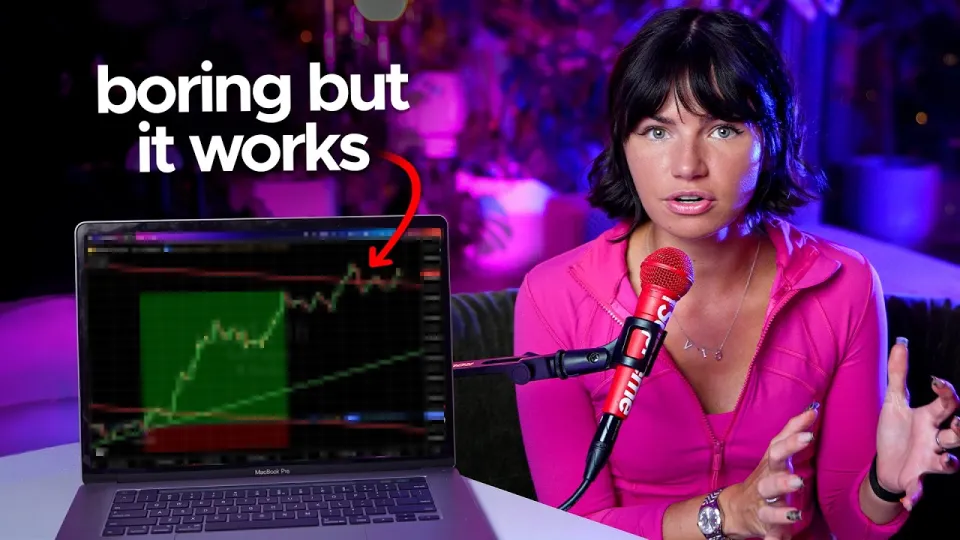
Video: Unfortunately, trading really is this simple
Building a Simple Trading System Using Trendlines
A trendline is a straight line drawn on a chart connecting price points to highlight the direction of the market trend. This simple tool helps traders spot areas where price is likely to bounce or break, signaling potential trade entries or exits.
To build a basic trendline trading system:
- Identify the prevailing trend by drawing a line connecting successive higher lows (uptrend) or lower highs (downtrend).
- Wait for the price to approach the trendline, indicating a potential support or resistance area.
- Confirm entry when price shows signs of bouncing off the trendline with a candlestick pattern or volume spike.
- Set a stop loss slightly beyond the trendline to manage risk in case the trend breaks.
- Plan your exit either at the next significant support/resistance level or when the trend shows signs of weakening.
This method does not require complex indicators and can be applied using free charting tools like TradingView.
Managing Risk and Position Size in Futures Trading
Risk management is crucial for long-term trading success. Futures markets are highly leveraged, which means small price moves can result in significant gains or losses.
Key risk management steps include:
- Setting stop losses near the trendline to limit downside if the trade fails.
- Adjusting position size based on account size and risk tolerance, typically risking no more than 1-2% of your capital per trade.
- Monitoring volatile instruments like gold carefully, as sudden rapid moves can impact open positions drastically.
- Being prepared to exit trades quickly if price action contradicts your setup, preserving capital.
Consistent application of these rules helps avoid large losses and protects your trading account.
Common Questions About Trendline Trading and Futures
Many traders ask where exactly to place stops relative to trendlines and how to handle sudden market volatility. A good rule is to place stops just beyond the trendline’s edge to avoid being stopped out by normal price noise. However, in highly volatile markets such as gold, wider stops or smaller position sizes may be necessary.
Another frequent question is how to differentiate futures trading from stocks. Futures often allow for easier short selling and have lower capital requirements due to leverage, but they also carry higher risk and require active management.
Tracking Your Trades for Continuous Improvement
Keeping detailed records of every trade is an essential habit for any trader. Using platforms like TradeZella, traders can log entries, exits, profits, losses, and notes about market conditions. This practice helps identify what works, what doesn’t, and how to refine strategies over time.
Regular review of past trades leads to better discipline and improved decision-making, which are key to long-term profitability.
Useful Links
- Join the waitlist for trading insights and bonuses: https://go.toritradez.com/waitlist-1009
- Track trades systematically with TradeZella: https://www.tradezella.com/?via=victoria (use code TORI20 for discount)
- Broker recommended by experienced trader: https://www.tradestation.com/promo/toritrades/
Conclusion
Trading does not have to be complicated to be effective. By mastering simple tools like trendlines, managing risk carefully, and tracking your trades consistently, you can build a reliable trading system. The approach shared by the channel Tori Trades emphasizes that anyone can learn to trade futures profitably without advanced degrees or math skills. For those interested in developing their skills, joining the Tori Trades waitlist offers valuable resources and community support. Start testing these concepts today on TradingView and build your path to consistent trading success.
Key takeaways
- Trading does not require advanced math or economics degrees.
- Trendlines are a core element for identifying trade entries and exits.
- Futures markets offer flexibility for day trading and swing trading.
- Managing risk with stop losses near trendlines is essential.
- Tracking trades systematically improves consistency and performance.
Source: Unfortunately, trading really is this simple · Markdown version
Questions & answers
Do I need a finance degree or advanced math to start trading futures?
No, trading futures can be done effectively with a basic understanding of market trends and risk management. Complex math or finance degrees are not required to build a simple and profitable system.
Where should I place stop losses when trading with trendlines?
Stops should be placed just beyond the trendline to protect against normal market fluctuations while limiting losses if the trend breaks. Adjust stop distance based on the instrument's volatility.
How is trading futures different from trading stocks?
Futures trading allows leverage and easy short selling, often with lower capital requirements, but involves higher risk and requires active position management. Stock trading may involve less leverage and different market dynamics.
How can I handle sudden volatility in markets like gold?
In highly volatile markets, use smaller position sizes, wider stops, and be prepared to exit trades quickly to manage risk. Monitoring price action closely is essential to avoid large unexpected losses.